


How to Monitor Remote Teams Without Disengaging Employees?

Companies with remote employees work hard to establish a culture of trust and engagement. Yet, implementing employee monitoring can be challenging as it can potentially harm the remote work environment if not done correctly. Some practices can be followed to ensure that remote employee monitoring is done effectively without negatively impacting morale or employee engagement.

Ethical Transparency in the Monitoring Process

There should be an open dialogue between the employer and remote employees about how exactly productivity tracking will work. This means being clear about what data is being collected, who will access it, and how long it will be stored. Employers must obtain informed consent from remote employees before implementing any monitoring measures. 
The remote workforce should have a clear understanding of what they are agreeing to and the impact it may have on their privacy. As well, employers need to strike a balance between monitoring employee productivity and ensuring the privacy and autonomy of their employees.

Encourage Employee Autonomy

Keep Guidelines for Monitoring Remote Workers

When monitoring employees, it is important to establish clear guidelines and expectations. This includes establishing specific work hours, outlining communication protocols, and setting productivity goals. It is also important to trust employees and avoid micromanaging. 

Regular check-ins ensures that work is progressing smoothly and addressing any concerns or issues. Additionally, it is important to provide employees with the necessary tools and resources to effectively work from home. By following these guidelines, employers can effectively monitor remote workers while also promoting a positive and productive work environment.

Embrace Feedback and Adaptability

Monitoring remote work should be an ongoing process that takes into account the feedback of employees. Employers need to be open to adapting the remote work monitoring process and make changes when needed. This helps ensure that productivity tracking is both effective and efficient.

Benefits of Monitoring Software

Increased Team Productivity

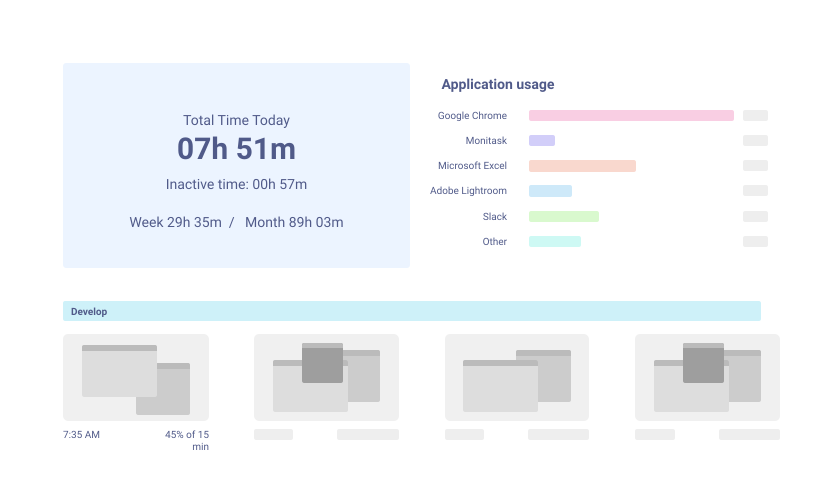
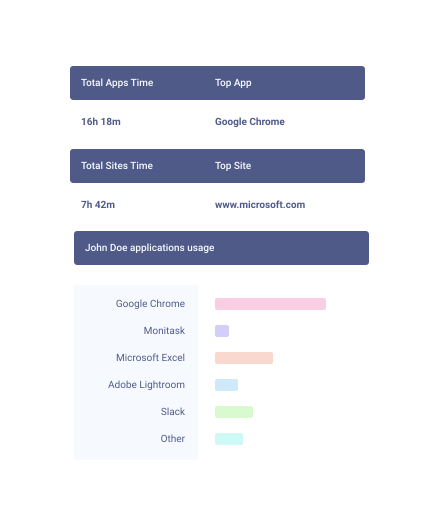
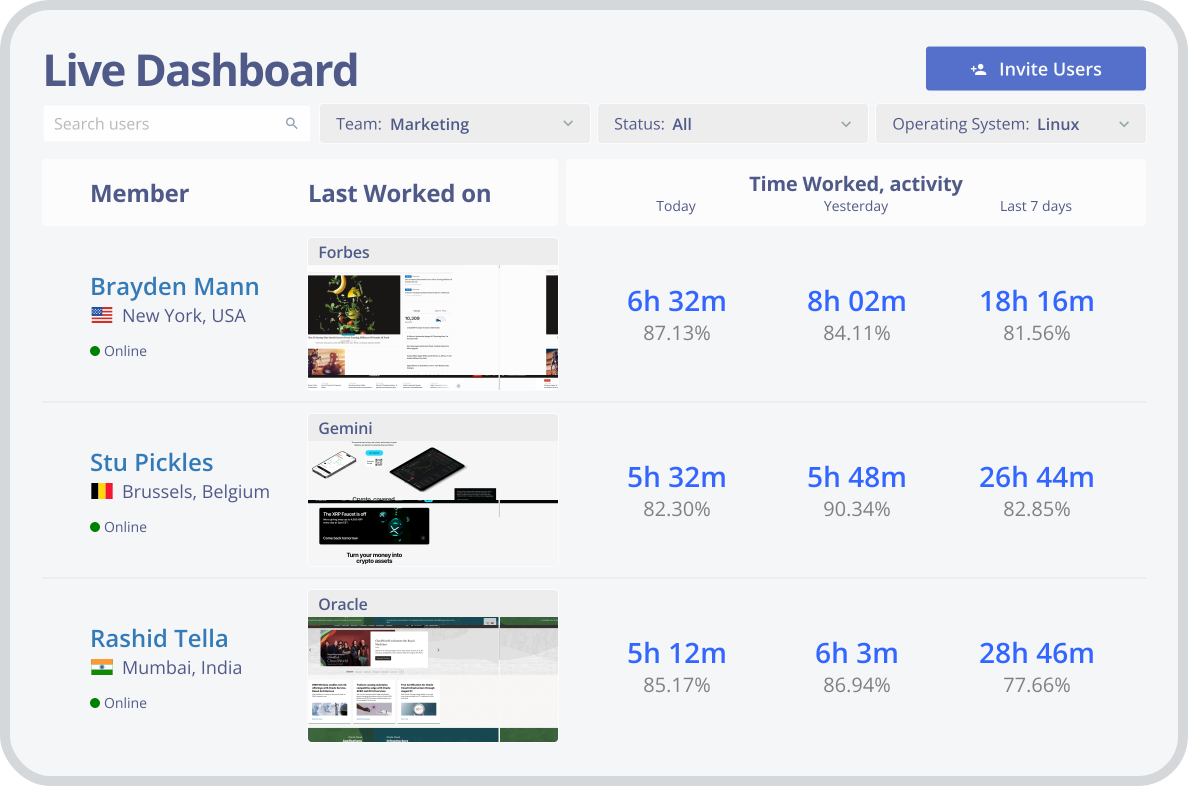
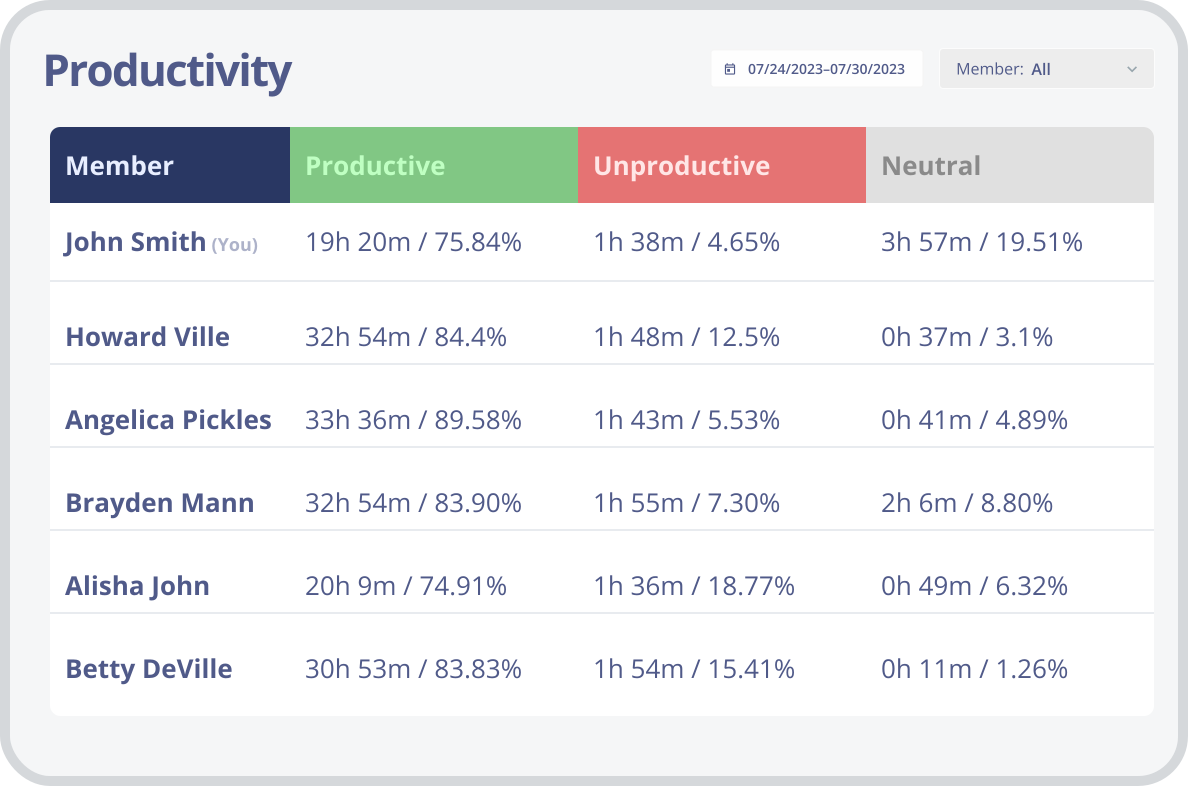
Employee monitoring software can track employee activity and identify areas for improvement helping employers to increase task management efficiency

Improved Data Security

Monitoring software can protect sensitive data, reducing the risk of data breaches and cyberattacks.

Cost Savings

Employee monitoring software can help identify areas of waste, allowing employers to make informed decisions on project management

Legal Compliance

Time tracking tools can help ensure legal compliance with regulations such as HIPAA, and GDPR, reducing the risk of legal liability and penalties.

Final Thoughts

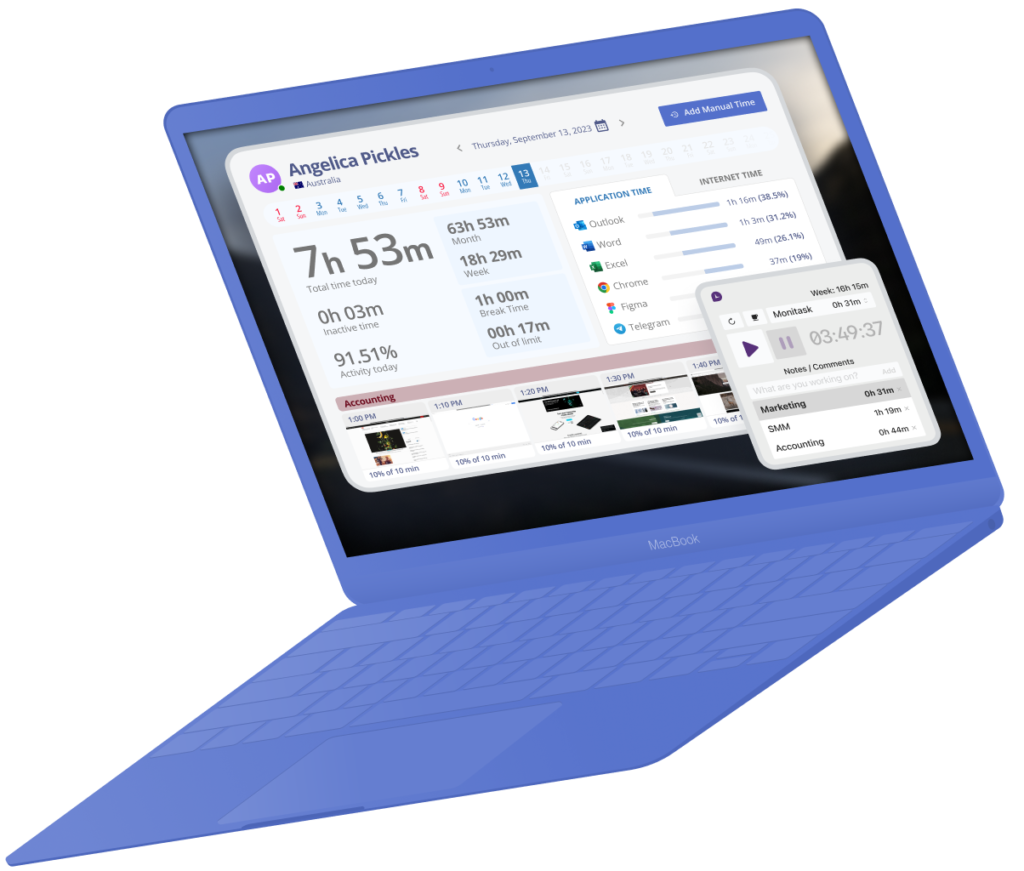
Remote work tracking is an invaluable tool for project management and gaining insight into how remote workers are meeting their goals and objectives. However, it is important to implement a time tracking tool in an ethical way that respects employee autonomy and privacy.

Done correctly, employee monitoring software can help optimize performance and reduce waste, while also helping employers create a culture of trust and engagement. Employers need to ensure that tracking software operates with transparency and honesty, while also providing the necessary support and resources for employees working to succeed in their roles.