Smart Workplace Technology

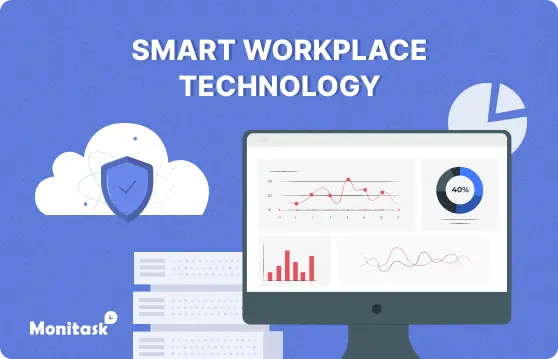
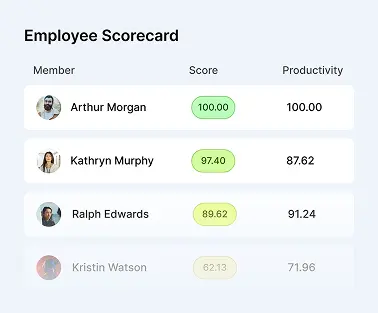
The modern workplace is evolving faster than ever. Artificial intelligence, cloud computing, automation, connected devices, and data analytics are transforming how employees collaborate, make decisions, and complete their daily work. Organizations are no longer investing in technology simply to digitize existing processes. Instead, they are building smarter workplaces that improve productivity, enhance employee experiences, and support more informed business decisions.
Smart workplace technology combines digital tools, intelligent automation, and connected systems to create more efficient and flexible work environments. From AI assistants and predictive analytics to IoT devices and cloud collaboration platforms, these technologies help organizations streamline operations while giving employees the resources they need to perform at their best.
This guide explores the key technologies driving today’s smart workplace, the benefits they offer, and the emerging trends that will shape the future of work.
What Is Smart Workplace Technology?
Smart workplace technology refers to the combination of digital tools, connected devices, artificial intelligence, and automation solutions that help organizations improve productivity, collaboration, and operational efficiency. Rather than relying on traditional manual processes, smart workplaces use technology to streamline workflows, support better decision-making, and create more flexible work environments.
A smart workplace goes beyond simply adopting new software. It integrates technologies that work together to simplify daily operations, reduce repetitive tasks, improve communication, and provide employees with the tools they need to perform at their best. Whether employees work in the office, remotely, or in a hybrid environment, smart workplace technology helps create a more connected and responsive organization.
Today’s smart workplaces may include cloud collaboration platforms, Internet of Things (IoT) devices, artificial intelligence, workflow automation, predictive analytics, cybersecurity solutions, and digital employee experience tools. Together, these technologies enable organizations to adapt more quickly to changing business needs while improving both employee satisfaction and overall business performance.
The Best Smart Workplace Technology Trends
Smart workplace technology is constantly evolving as organizations adopt new tools to improve productivity, collaboration, and employee experience. While cloud computing and connected devices remain essential, recent advances in artificial intelligence and automation are transforming how modern workplaces operate. Below are some of the most important technologies shaping the future of work.
Cloud Computing
Cloud computing remains one of the foundations of the modern smart workplace. Instead of relying on local servers and on-premises infrastructure, organizations can securely access applications, files, and business systems from virtually anywhere with an internet connection.
This flexibility supports remote and hybrid work while making collaboration between distributed teams much easier. Cloud platforms also improve scalability, reduce IT maintenance costs, simplify software updates, and provide organizations with greater business continuity through secure data backup and recovery.
Internet of Things (IoT)
Internet of Things (IoT) is a network of devices that are connected and can communicate with each other, enabling data exchange and automation. IoT technologies can significantly improve the workplace, making employees more productive and efficient.
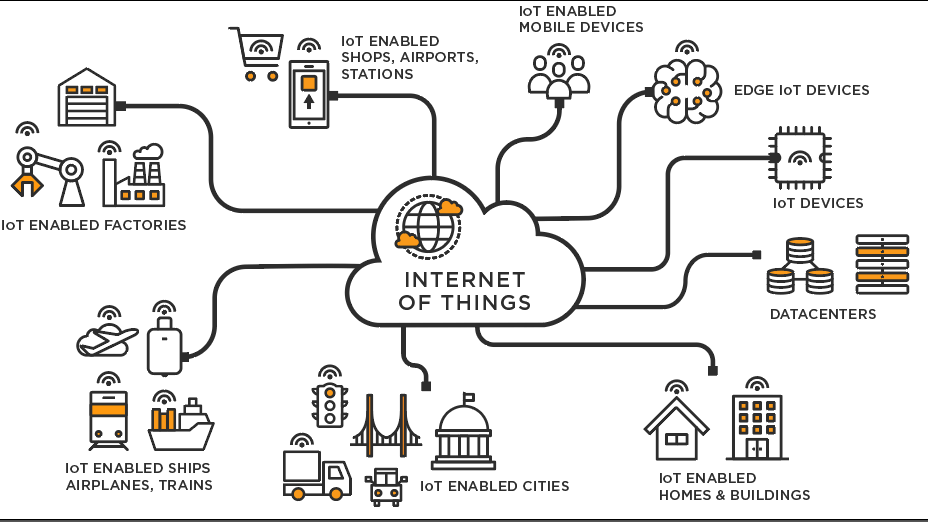
Here are some examples of how IoT can enhance the work environment:
- Smart Lighting: IoT-enabled lighting systems can adjust the brightness and color of light according to the time of day, occupancy, and user preferences. This can not only improve employee productivity but also reduce energy consumption.
- Smart HVAC Systems: IoT-enabled HVAC systems can monitor room temperatures, humidity levels, and occupancy to create a comfortable and healthy work environment. This can significantly improve employee well-being and productivity.
- Smart Security Systems: IoT-enabled security systems can provide real-time surveillance, access control, and remote monitoring of the workplace. This can enhance the safety of employees and assets, leading to increased productivity.
- Smart Meeting Rooms: IoT-enabled meeting rooms can automate the booking of rooms, adjust the lighting and temperature according to the meeting’s requirements, and enable seamless collaboration and communication among attendees.
- Wearable Devices: Everyday, we use a lot of wearable devices such as Apple watches, which can track employee movements, provide real-time feedback, and monitor health and safety. This can enhance employee productivity, well-being, and safety.
IoT technologies can revolutionize the workplace, making it more productive, efficient, and safe. By leveraging IoT technologies, companies can create a work environment that fosters innovation, creativity, and collaboration, resulting in increased employee satisfaction and business success.
AI Assistants and Copilots
Artificial intelligence has evolved far beyond traditional machine learning. Today, AI assistants such as ChatGPT, Microsoft Copilot, Google Gemini, and Claude help employees draft emails, summarize meetings, analyze documents, generate reports, write code, and automate repetitive tasks.
Rather than replacing employees, these tools augment human capabilities by reducing administrative work and allowing teams to focus on creativity, problem-solving, and strategic decision-making. Organizations that successfully integrate AI assistants into daily workflows can improve productivity while enabling employees to work more efficiently.
Machine Learning
Machine learning has revolutionized the way businesses operate and has the potential to greatly improve workplace productivity! One great example of this technology is in the area of customer service. Machine learning algorithms can be trained to identify patterns in customer behavior and sentiment, enabling them to provide personalized responses and recommendations. This can lead to faster resolution of customer issues, higher customer satisfaction, and ultimately, increased revenue for the business.
Machine Learning in HR
Another example of machine learning in the workplace is in the field of human resources. Machine learning algorithms can analyze employee data to identify patterns in performance, turnover, and job satisfaction. This information can be used to develop strategies for retaining top talent, improving employee engagement, and increasing overall productivity.
Machine Learning for Automation
Machine learning can also be used to automate repetitive tasks, allowing employees to focus on more complex and valuable work. For example, machine learning algorithms can be used to automatically categorize and prioritize emails, reducing the time and effort required for employees to manage their inbox.
Machine Learning in Workplace Safety
In addition, machine learning can improve workplace safety by analyzing data from sensors and other sources to identify potential hazards and predict when accidents are likely to occur. This enables employers to take proactive measures to prevent accidents before they happen, reducing the risk of injury and downtime.
Agentic AI and Autonomous Workflows
One of the most significant developments in workplace technology is the emergence of Agentic AI. Unlike traditional AI systems that simply respond to prompts, AI agents can independently execute multi-step tasks, make decisions based on predefined objectives, and coordinate activities across multiple business applications.
For example, an AI agent can gather information from different systems, prepare reports, schedule meetings, notify stakeholders, and trigger follow-up actions without constant human supervision. As these technologies continue to mature, AI agents are expected to become valuable digital coworkers that automate complex workflows while allowing employees to focus on higher-value work.
Predictive Workforce Analytics
Modern organizations generate enormous amounts of workforce data every day. Predictive workforce analytics uses artificial intelligence and advanced statistical models to analyze this information and identify patterns that help managers make better decisions.
These insights can help organizations forecast staffing requirements, identify productivity trends, predict employee turnover, detect burnout risks, and optimize workforce planning. Rather than reacting to problems after they occur, businesses can take proactive steps that improve employee engagement, retention, and overall operational performance.
Low-Code Automation Platforms
Automation is no longer limited to software developers. Low-code and no-code platforms allow employees to automate repetitive business processes using visual interfaces with little or no programming experience.
Solutions such as Microsoft Power Automate, Zapier, and n8n enable organizations to connect HR systems, project management tools, communication platforms, and business applications into seamless workflows. By reducing repetitive administrative work, these platforms improve efficiency, minimize manual errors, and allow employees to spend more time on strategic and creative activities.
IT Security
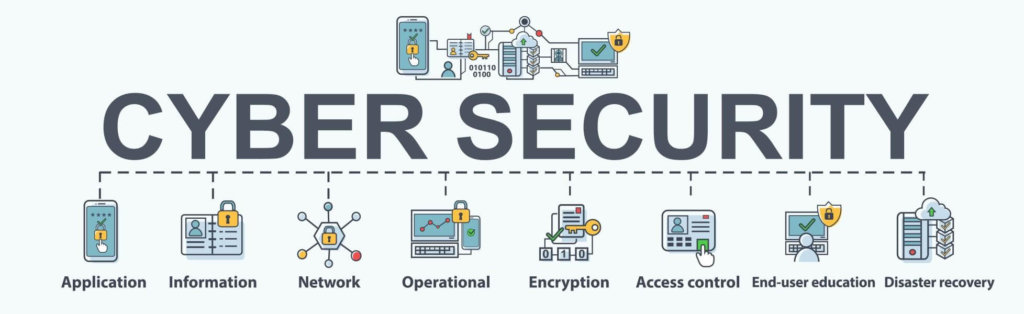
Enhanced IT security has become a vital component of modern workplaces, especially those that aim to be smart and connected. Smart work offices rely on technology to enable employees to work efficiently and effectively, including cloud-based storage and collaboration tools, video conferencing, and Internet of Things (IoT) devices.
However, these technologies also pose potential security risks that can compromise sensitive data and disrupt operations. By implementing robust IT security measures, workplaces can mitigate these risks while reaping the benefits of a connected and engaged workforce.
Multi-factor Authentication (MFA)
One example of enhanced IT security in smart work offices is the use of multi-factor authentication (MFA). MFA involves requiring users to provide two or more forms of identification to access sensitive information or systems, such as a password and a biometric scan.
This approach significantly reduces the risk of unauthorized access, as it is much more difficult for a hacker to bypass multiple layers of authentication. Additionally, workplaces can use virtual private networks (VPNs) to encrypt data and protect it from interception by cybercriminals.
Security Information and Event Management (SIEM) Systems
Another example of enhanced IT security in smart work offices is the use of security information and event management (SIEM) systems. These systems monitor network activity in real-time, looking for anomalies that could indicate a security breach.
If a breach is detected, the SIEM system can automatically respond by isolating the affected device or user, blocking access to sensitive information, and notifying IT staff. This proactive approach to security minimizes the risk of data loss or unauthorized access.
Endpoint Protection Software
Finally, smart work offices can benefit from the use of endpoint protection software. This software is installed on individual devices, such as laptops and smartphones, and monitors them for security threats, such as malware or phishing attacks.
Endpoint protection software can also enforce security policies, such as requiring regular password changes or blocking access to certain websites. By securing each endpoint, workplaces can ensure that their data remains protected, even if one device is compromised.
Responsible AI and Governance
As artificial intelligence becomes more deeply integrated into workplace operations, organizations must ensure these technologies are used responsibly and ethically. Responsible AI governance focuses on transparency, accountability, privacy, security, and compliance while minimizing bias and protecting sensitive information.
Organizations should establish clear policies that define how AI systems are implemented, what data they can access, and where human oversight is required. By combining innovation with strong governance, businesses can build employee trust, reduce operational risks, and maximize the long-term value of AI-powered workplace technologies.
Digital Collaboration Tools
These devices allow employees to easily connect and engage with each other, regardless of their physical location.
Video Conferencing Software
In this world of remote and hybrid work, video conferencing software is crucial to enable teams to communicate face-to-face in real-time, no matter where they are in the world. This not only improves communication and collaboration but also saves time and money on travel costs.
Cloud-based Sharing Platforms
Another example of digital collaboration technology is cloud-based file sharing platforms. These platforms enable employees to access and share files from anywhere, at any time, on any device. This not only improves collaboration but also increases productivity by allowing employees to work remotely.
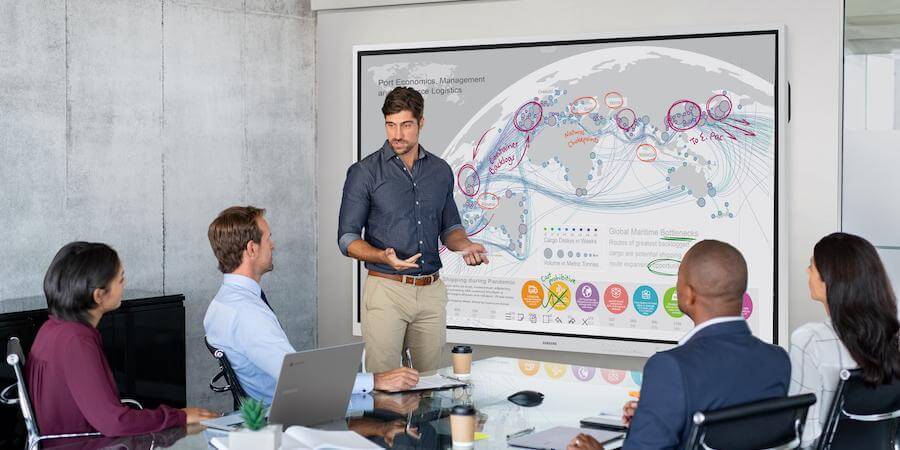
Digital Whiteboards
Digital whiteboards are also a popular collaboration tool. They allow teams to brainstorm and collaborate on ideas together in real-time, even if they are working remotely. This helps to improve creativity and teamwork, as well as saving time on travel and in-person meetings.
These interactive whiteboards can be connected to the internet and allow for collaborative work among employees, even those working remotely. They can also be used for presentations and meetings, eliminating the need for traditional paper-based presentations.
Project Management Tools
Project management tools are essential for keeping teams on track and organized. These tools enable teams to collaborate on tasks, track progress, and assign responsibilities. They also provide a centralized location for all project-related information, making it easy for team members to stay up-to-date and informed.
Monitask is an excellent project management tool that seamlessly integrates into any smart workplace. With its user-friendly interface and robust features, Monitask enables teams to efficiently manage projects and increase productivity. Its time-tracking and reporting capabilities provide insights into employee productivity and help identify areas for improvement.
Best Practices to Transform a Standard Office into a Smart Workplace
Transforming a standard work office into a smart office involves implementing various best practices that can enhance productivity, efficiency, and comfort for employees. Here are some of the best practices to consider:
- Empower your staff: A smart office should prioritize the comfort and well-being of employees. This can be achieved by providing ergonomic furniture, adjustable lighting, and temperature controls, among other things. By creating a comfortable environment, employees can focus on their work and perform at their best.
- Choose solutions easily adaptable: Smart technology solutions play a vital role in transforming a standard work office into a smart office. It’s essential to choose solutions that can adapt to the changing needs of the office. This includes tools like smart lighting, which can adjust to changing natural light, or smart thermostats, which can learn employee preferences and adjust accordingly.
- Support your employees through a smart workplace transition: A smart workplace transition can be overwhelming for some employees. Providing support and training to employees can help them adapt to the new changes. This includes providing tutorials on how to use new technology or arranging workshops to help employees adjust to new work routines.
- Improve and optimize on the go! A smart office should continuously evaluate its technology and workplace practices to improve and optimize. This can be achieved by utilizing insight-rich data to identify areas that require improvement or adjustment. For example, data on employee usage of meeting rooms can help optimize space utilization and improve productivity.
By following these best practices, an office can transition towards a smart workplace that is more efficient, productive, and comfortable for employees!
Boost your business productivity
Track performance and streamline teamwork
Conclusion: Revolutionizing The Way We Work
Smart workplace technology is no longer just about digitizing business processes. It is about creating connected, intelligent, and adaptable work environments where people and technology work together to improve productivity, collaboration, and employee experience. From cloud computing and AI assistants to predictive analytics and workflow automation, these innovations are transforming how organizations operate and compete.
As technology continues to evolve, successful organizations will focus not only on adopting new tools but also on implementing them responsibly. Combining innovation with strong cybersecurity, ethical AI governance, and employee-centered strategies will be essential for building resilient and future-ready workplaces.
Businesses that embrace smart workplace technology today will be better equipped to attract talent, support flexible work, optimize operations, and adapt to the changing demands of the modern workforce. By investing in the right technologies and fostering a culture of continuous innovation, organizations can position themselves for long-term success.
The Monitask Team