The Top 5 IT Jobs That are Easy to Get Into

Getting started in technology does not always require a computer science degree. Many IT jobs without a degree are accessible to candidates who can demonstrate practical skills, relevant certifications, hands-on experience, and a strong understanding of the tools used in the role.
Fields such as IT support, systems administration, networking, cybersecurity, and web development often place significant value on what candidates can actually do. Online courses, professional certifications, personal projects, labs, and entry-level experience can all help build the knowledge employers are looking for.
At the same time, technology careers continue to evolve as cloud computing, cybersecurity, automation, artificial intelligence, and data-driven systems create new skills requirements. This makes continuous learning especially important for anyone planning to enter or grow within the IT industry.
In this guide, we explore several IT career paths that may be accessible without a traditional university degree, the certifications and skills that can strengthen your profile, and practical ways to build experience and improve your chances of getting hired.
IT Career Paths
Information technology offers a wide range of career paths, from technical support and software development to cybersecurity, cloud infrastructure, data, and artificial intelligence. Because technology is now central to almost every industry, IT professionals can work in sectors such as finance, healthcare, retail, education, manufacturing, and professional services.
The right career path depends on your interests, technical skills, and experience. Some positions offer accessible entry points for beginners, while others require several years of hands-on experience or specialized training.
Software Developer
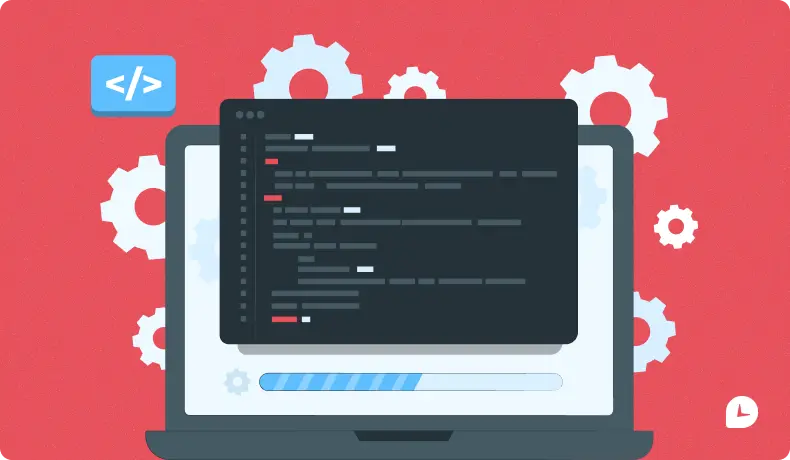
Software developers design, build, test, and maintain applications and digital systems. Depending on the role, they may specialize in web applications, mobile development, back-end systems, APIs, or enterprise software.
Programming skills remain important, but modern development increasingly involves working with cloud platforms, APIs, automation, version control, and AI-assisted development tools.
AI and Machine Learning Specialist
Artificial intelligence has become an increasingly important area of the technology industry. AI and machine learning specialists develop, integrate, evaluate, or maintain systems that use machine learning models and other AI technologies.
Depending on the position, professionals may work with Python, data processing, machine learning frameworks, large language models, APIs, model evaluation, or AI-powered automation.
Cybersecurity Specialist
Cybersecurity professionals help organizations protect systems, networks, applications, and data from security threats. Career options include security analyst, security engineer, penetration tester, incident response specialist, and security operations center (SOC) analyst.
As cyberattacks become more sophisticated and organizations rely on increasingly complex digital infrastructure, cybersecurity remains a major technology career area.
Cloud and Platform Engineer
Cloud professionals design, deploy, maintain, and optimize infrastructure running on platforms such as AWS, Microsoft Azure, and Google Cloud.
Their responsibilities can include cloud architecture, infrastructure automation, security, networking, monitoring, and application deployment. Experience with containers, infrastructure as code, Linux, and cloud services can also be valuable.
Data Scientist and Data Engineer
Data careers cover several specialties. Data scientists analyze information, develop statistical or machine learning models, and help organizations extract insights from complex datasets.
Data engineers focus more heavily on building the pipelines, databases, and infrastructure required to collect, process, and make data available for analysis.
Knowledge of SQL, Python, databases, cloud platforms, and data processing technologies is common across these careers.
DevOps Engineer
DevOps engineers help connect software development with infrastructure and operations. Their work often involves automating deployments, managing development environments, monitoring applications, and improving the reliability of software delivery.
Common skills include Linux, scripting, Git, CI/CD tools, containers, cloud platforms, and infrastructure automation. DevOps also increasingly overlaps with cloud engineering, platform engineering, and site reliability engineering.
Computer Systems Analyst
Computer systems analysts evaluate an organization’s technology needs and help design or improve systems that support business operations. The role combines technical knowledge with an understanding of processes, requirements, and business objectives.
As organizations adopt cloud services, automation, and AI-powered systems, analysts can also help determine how new technologies should be integrated into existing workflows and infrastructure.
These career paths represent only part of the IT industry. Technical support, networking, quality assurance, database administration, IT project management, and other specialties can also provide opportunities depending on a candidate’s skills and professional goals.
Importantly, not every technology career requires the same educational path, and some offer more accessible starting points for candidates without a traditional computer science degree.
IT Jobs Without a Degree
A university degree can be helpful in technology, but it is no longer the only route into the industry. Many employers also evaluate candidates based on practical skills, certifications, portfolios, projects, and previous hands-on experience.
For people without a formal IT degree, some IT roles provide relatively accessible entry points, while others can be reached through certifications, related experience, and progression from entry-level positions. Requirements vary considerably by employer and specialization, so candidates should research the expectations for their target role.
Practical skills, certifications, portfolios, labs, freelance work, and entry-level experience can all help demonstrate technical ability and create a path toward more specialized IT positions.
Some IT jobs that may be accessible without a university or college degree include:
- IT Support Technician
- Help Desk Specialist
- Junior Web Developer
- Network Support Specialist
- Systems Administrator
- QA Analyst or Software Tester
- Junior Cybersecurity Analyst
Requirements vary by employer, role, and specialization. Certifications, technical training, personal projects, labs, freelance work, and previous professional experience can all help candidates demonstrate the skills needed for a position.
1. IT Support Technician
IT support technicians help users resolve hardware, software, network, and account-related problems. They may install applications, configure devices, troubleshoot technical issues, and provide assistance remotely or in person.
This is often one of the most accessible entry points into IT. Certifications such as CompTIA A+ can strengthen a candidate’s profile, although practical troubleshooting skills and customer service abilities are also important.
2. IT Systems Administrator
Systems administrators maintain the technology infrastructure used by an organization. Their responsibilities can include managing user accounts, configuring servers and devices, monitoring systems, maintaining backups, and resolving technical problems.
Some employers prefer formal education, but candidates can also enter this field through IT support experience, certifications, and practical knowledge of operating systems, networking, cloud services, and security.
As traditional systems administration increasingly overlaps with cloud services, automation, and platform engineering, professionals in this field can strengthen their career prospects by developing skills in cloud platforms, scripting, security, and infrastructure automation.
3. Network Support Specialist
Network support specialists help install, maintain, and troubleshoot the networks that connect computers, servers, applications, and other devices.
Knowledge of networking fundamentals, TCP/IP, routers, switches, wireless networks, and security is important. Certifications such as CompTIA Network+ or Cisco CCNA can help demonstrate these skills without requiring a traditional degree.
4. Cybersecurity Analyst

Cybersecurity analysts help protect an organization’s systems and data from security threats. Their work may involve monitoring security alerts, investigating suspicious activity, managing vulnerabilities, and supporting incident response.
Cybersecurity can be more difficult to enter directly than IT support or networking because many positions expect previous technical experience. Candidates without a degree can build toward cybersecurity roles through IT support, networking, home labs, certifications, security projects, and hands-on experience with common security tools.
Entry-level opportunities may include junior security analyst, SOC analyst, or security support roles, depending on the employer and the candidate’s practical experience.
5. Web Developer
Web developers create and maintain websites and web applications using technologies such as HTML, CSS, JavaScript, and modern development frameworks.
A strong portfolio can be particularly valuable in this field because it allows employers to evaluate actual projects rather than relying only on academic credentials. Personal websites, freelance work, open-source contributions, and coding projects can all provide evidence of practical ability.
Bonus: QA Analyst or Software Tester
QA analysts and software testers evaluate applications to identify defects, usability issues, and unexpected behavior before software reaches users.
Entry-level positions may focus on manual testing, documenting bugs, and following test cases, while more advanced roles can involve test automation and programming. For candidates without a degree, knowledge of software development processes and practical testing projects can provide a useful starting point.
These roles can serve as entry points rather than final destinations. As professionals gain experience, certifications, and specialized skills, they may progress into areas such as cloud computing, cybersecurity, DevOps, software engineering, or IT management.
IT Certifications by Career Path
IT certifications are not mandatory for every technology role, but they can help demonstrate practical knowledge, especially for candidates without a university degree or extensive professional experience.
The most useful certification depends on the career path you want to pursue. Rather than collecting as many credentials as possible, candidates should focus on certifications that match the technologies and responsibilities of their target role.
IT Support Technician
Entry-level IT support professionals can benefit from certifications that validate knowledge of computer hardware, operating systems, networking, troubleshooting, and security fundamentals.
Common options include:
- CompTIA A+
- CompTIA Network+
- Google IT Support Professional Certificate
For many support positions, practical troubleshooting ability and customer service skills are just as important as certification.
IT Systems Administrator
Systems administrators typically need knowledge of operating systems, networking, user management, security, virtualization, and increasingly cloud infrastructure.
Relevant certifications may include:
- CompTIA Network+
- Microsoft Certified: Azure Administrator Associate
- Linux certifications such as Linux+
- AWS certifications for administrators working with cloud environments
Candidates should choose certifications based on whether they expect to work primarily with Windows, Linux, cloud platforms, or hybrid infrastructure.
Network Support Specialist
Networking certifications can be particularly useful because they provide a structured way to demonstrate knowledge of network configuration, troubleshooting, routing, switching, and security.
Common options include:
- CompTIA Network+
- Cisco Certified Network Associate (CCNA)
Network+ can provide a broad foundation, while CCNA is more focused on networking technologies and is often useful for candidates pursuing dedicated networking roles.
Cybersecurity Analyst
Cybersecurity certifications can help demonstrate knowledge of security principles, threat detection, risk management, and incident response.
Options include:
- CompTIA Security+
- CompTIA CySA+
- Certified Ethical Hacker (CEH)
- GIAC certifications
More advanced credentials such as CISA or CISM are generally better suited to professionals who already have experience in security, auditing, governance, or IT management.
Web Developer
Formal certifications are usually less important for web developers than a strong portfolio of practical work. Employers often want to see applications, websites, code repositories, or other examples that demonstrate a candidate’s ability.
Developers can still use training certificates from recognized learning platforms or technology providers, but practical knowledge of HTML, CSS, JavaScript, frameworks, APIs, Git, and development tools will usually carry more weight.
QA Analyst or Software Tester
Entry-level QA professionals do not always need certification, although credentials can help demonstrate knowledge of testing principles and software development processes.
A common option is:
- ISTQB Certified Tester Foundation Level
Candidates interested in automation testing should also develop programming skills and experience with testing frameworks, version control, APIs, and continuous integration tools.
Choosing the Right IT Certification

The best certification is one that supports a specific career goal. An IT support candidate may benefit more from CompTIA A+, while someone interested in networking may prioritize CCNA. A future cybersecurity professional could start with Security+, while a systems administrator working with cloud infrastructure may benefit from an Azure or AWS certification.
Certifications can strengthen a resume, but they work best when combined with practical experience. Home labs, personal projects, internships, freelance work, open-source contributions, and entry-level IT positions can all help turn certification knowledge into skills that employers can evaluate.
How to Succeed in the IT Field Without a Degree
Building a successful IT career without a university degree requires more than completing a course or earning a certification. Employers increasingly look for evidence that candidates can solve problems, work with real tools, communicate effectively, and continue learning as technology changes.
The strongest approach is to combine technical knowledge with practical experience. Certifications can help validate your skills, but projects, labs, freelance work, internships, and entry-level positions show how you apply that knowledge in practice.
1. Choose a Clear Career Path
IT covers many different specialties, so trying to learn everything at once can slow your progress. Start by choosing a direction such as IT support, networking, cybersecurity, web development, cloud computing, or software testing.
Once you have a target role, identify the core skills, technologies, and certifications commonly required for that position. This makes it easier to build a focused learning plan and avoid spending time on tools that are not relevant to your goals.
2. Earn Relevant Certifications
Certifications can be particularly valuable for candidates without formal IT education because they provide a recognized way to demonstrate knowledge in a specific area.
Depending on your career path, useful options may include CompTIA A+, Network+, Security+, Cisco CCNA, Microsoft Azure certifications, AWS certifications, or other credentials related to the technologies you plan to work with.
However, certifications should support your career goals rather than become the goal themselves. A few relevant credentials combined with practical skills are usually more valuable than collecting certifications without hands-on experience.
3. Build Practical Experience
Hands-on experience is one of the most important ways to strengthen your profile. You do not need to wait until you have a full-time IT job to start building it.
You can create home labs, build websites or applications, configure virtual machines, experiment with cloud platforms, contribute to open-source projects, or document technical projects in a portfolio.
These projects can demonstrate troubleshooting, problem-solving, technical knowledge, and initiative to potential employers.
4. Create a Portfolio
A portfolio is especially useful for roles where your work can be demonstrated directly, such as web development, software development, data, cybersecurity, and cloud engineering.
Include projects that show what you built, which technologies you used, what problem you were trying to solve, and how you approached it.
A GitHub profile, personal website, technical blog, or project documentation can help employers evaluate your abilities beyond what appears on your resume.
5. Learn to Work With AI Tools
AI tools are becoming part of everyday technology work, including coding, troubleshooting, documentation, data analysis, cybersecurity, and automation. Candidates entering IT do not necessarily need to become AI specialists, but they should understand how these tools can support work in their chosen field.
The strongest approach is to combine AI literacy with solid technical fundamentals. Knowing how to use an AI assistant can improve efficiency, but employers still need professionals who can evaluate its output, identify errors, understand systems, and solve problems independently.
6. Develop Communication and Problem-Solving Skills
Technical knowledge alone is not enough for many IT positions. Professionals frequently need to explain problems to colleagues, communicate with customers, document solutions, collaborate with teams, and prioritize competing tasks.
Strong communication, analytical thinking, adaptability, and problem-solving skills can make a significant difference, particularly in support, systems administration, cybersecurity, and other roles that involve working directly with users or business teams.
7. Build Your Professional Network
Networking can help you discover opportunities that may not appear on traditional job boards. Connect with other professionals through industry events, online communities, professional networks, conferences, and local technology meetups.
Networking is not simply about asking for a job. It can help you learn about different career paths, understand what employers expect, find mentors, and stay informed about developments in your field.
8. Apply for Entry-Level Opportunities
Your first IT role does not need to be your ideal long-term position. Help desk, technical support, junior QA, network support, and similar roles can provide valuable professional experience and create opportunities to move into more specialized areas later.
When applying, focus your resume on practical skills, certifications, projects, and measurable accomplishments rather than emphasizing the absence of a degree.
9. Keep Learning
Technology changes quickly, and continuous learning is an important part of almost every IT career. Cloud platforms, cybersecurity threats, development tools, automation, and artificial intelligence continue to influence how technology professionals work.
Staying current does not mean learning every new tool. Focus on developments that are relevant to your specialization and continue strengthening the fundamental skills that remain valuable as technologies evolve.
Ultimately, succeeding in IT without a degree depends on your ability to demonstrate what you can do. Relevant certifications, practical experience, a strong portfolio, professional connections, and continuous learning can help you build credibility and create opportunities for long-term career growth.
Future IT Careers and Emerging Roles
The IT job market is being reshaped by artificial intelligence, automation, cloud infrastructure, growing cybersecurity risks, and the increasing volume of data used by organizations.
Rather than creating entirely new professions, these changes are also transforming existing roles and the skills employers expect from technology professionals.
AI is one of the strongest drivers of this change. Routine technical tasks are increasingly supported or automated by AI tools, while demand is growing for professionals who can build, integrate, supervise, secure, and evaluate AI-powered systems.
At the same time, human judgment, problem-solving, communication, and the ability to work effectively with automated systems are becoming more important.
AI and Machine Learning Specialists

AI and machine learning specialists remain among the technology roles with strong growth potential. Their work can involve developing machine learning models, integrating generative AI into applications, evaluating model performance, managing AI infrastructure, or creating automated workflows.
Companies are also moving beyond simple AI assistants toward AI agents capable of completing multi-step tasks. This is creating demand for professionals who understand how to connect AI systems with business applications while maintaining reliability, security, and human oversight.
AI Governance and AI Security Specialists
As organizations deploy more AI systems, new responsibilities are emerging around governance, privacy, security, compliance, and risk management.
Professionals in this area may evaluate how AI systems use data, establish policies for responsible deployment, monitor automated decisions, manage access, and reduce security risks associated with autonomous tools.
These responsibilities may become dedicated positions in some organizations and part of existing cybersecurity, compliance, or IT governance roles in others.
Cybersecurity Professionals
Cybersecurity continues to be one of the strongest areas of IT demand. Organizations need professionals who can protect cloud environments, applications, identities, networks, and sensitive data against increasingly sophisticated attacks.
AI is changing cybersecurity as well. Security teams are using more automated systems for threat detection, investigation, and response, while attackers can also use AI to increase the speed and scale of their activities.
This increases the importance of specialists who can combine security expertise with automation and AI-assisted tools.
Data Scientists and Data Engineers
Data remains essential to analytics, automation, and artificial intelligence. Data scientists help organizations analyze information and develop predictive or machine learning solutions, while data engineers build the infrastructure needed to collect, transform, store, and deliver reliable data.
As businesses deploy more AI systems, demand for high-quality, well-governed data is becoming even more important. This strengthens the role of professionals who understand databases, data pipelines, cloud platforms, analytics, and data quality.
Cloud and Platform Engineers
Cloud computing remains a foundation for modern applications, AI systems, analytics, and distributed work. Cloud and platform engineers help organizations build reliable infrastructure, automate deployments, manage containers, monitor systems, and control performance and costs.
As infrastructure becomes more automated, these roles are increasingly focused on architecture, orchestration, reliability, security, and creating platforms that allow development teams to work more efficiently.
Software Engineers Working with AI
Software development is not disappearing, but the way developers work is changing. AI-assisted coding tools can generate code, explain existing systems, support testing, and automate parts of the development process.
As these tools become more capable, developers may spend less time on repetitive coding and more time defining requirements, reviewing AI-generated output, designing systems, solving complex problems, and ensuring that applications are reliable and secure.
Skills Will Matter as Much as Job Titles
One of the most important changes is that IT careers are becoming increasingly multidisciplinary. A cybersecurity specialist may need cloud and AI knowledge, a developer may work with automated coding agents, and a systems administrator may increasingly manage cloud services and automated infrastructure.
For professionals entering IT, this means preparing for a career of continuous learning rather than training for one fixed job.
AI, data, cybersecurity, cloud technologies, and automation are becoming increasingly important, while analytical thinking, adaptability, communication, and collaboration remain essential alongside technical expertise.
Boost your business productivity
Track performance and streamline teamwork
Conclusion: Building a Career in IT
Building a career in IT without a university degree is possible, but success depends on developing skills that employers can verify. Certifications, practical projects, technical training, networking, and hands-on experience can help candidates demonstrate their abilities even when they do not have a traditional academic background.
The best path will depend on the area of technology you want to pursue. IT support may provide an accessible starting point, while networking, cybersecurity, systems administration, web development, cloud technologies, and software engineering may require more specialized knowledge and experience over time.
Because technology changes quickly, continuous learning remains one of the most important parts of an IT career. Professionals who regularly update their skills, build practical experience, and follow developments in their chosen field are better positioned to adapt as tools and job requirements evolve.
Rather than focusing exclusively on credentials, candidates should concentrate on building evidence of what they can do. A combination of relevant skills, certifications, projects, and professional connections can create a strong foundation for entering the technology industry and developing a long-term career.
The Monitask Team
FAQ: IT Jobs That are Easy to Get Into
Which IT jobs are in demand?
Some of the most in-demand technology roles include AI and machine learning specialists, big data specialists, software developers, cybersecurity professionals, cloud specialists, and computer systems analysts. Demand is being driven by the continued adoption of AI, cloud computing, data analytics, automation, and stronger cybersecurity requirements.
What are the highest-paying IT jobs?
Some of the highest-paying IT careers include IT managers, software architects and senior software engineers, cloud architects, cybersecurity leaders, DevOps managers, and computer and information research specialists. Salaries vary significantly depending on experience, location, industry, and level of responsibility.
What are some good entry-level IT jobs?
Good entry-level options include IT support specialist, help desk technician, junior web developer, junior software developer, QA analyst or software tester, and network support specialist. Some of these roles can be accessible without a traditional four-year degree when candidates can demonstrate practical skills, certifications, projects, or relevant experience.