

Every successful project depends on one resource that cannot be recovered once it is lost: time. Whether you’re managing a small team or coordinating multiple departments, understanding how time is spent is essential for improving productivity, controlling costs, and delivering projects on schedule.
Project time tracking is more than recording hours worked. It provides valuable insights into workflows, identifies inefficiencies, and helps managers make informed decisions based on real data rather than assumptions. When combined with effective planning and team management, time tracking becomes a powerful tool for increasing efficiency and achieving better business outcomes.
In this guide, we’ll explore why project time tracking matters, the most common reasons projects exceed their deadlines, and practical strategies for organizing teams and improving productivity.
Keep Track of Project Time: Why It Matters and How to Improve Team Productivity
Tracking project time allows organizations to understand how work is performed, allocate resources more effectively, and continuously improve their processes. Instead of relying on estimates, managers can use accurate data to identify opportunities for optimization and make better strategic decisions.
Set Clear Goals
Time tracking provides visibility into how employees and teams spend their working hours. This information helps managers establish realistic goals, measure progress, and evaluate the return on investment (ROI) of projects and business initiatives. Clear objectives supported by measurable data make it easier to improve performance over time.
Work Smarter, Not Harder
Understanding where time is being spent allows businesses to eliminate unnecessary activities and focus on work that delivers the greatest value. Rather than increasing workloads, organizations can improve productivity by optimizing workflows, reducing interruptions, and allocating resources more efficiently.
Improve Work Quality
Effective time management allows employees to dedicate sufficient attention to high-priority tasks without constantly switching between projects. Better planning reduces errors, improves concentration, and leads to higher-quality results while minimizing the need for rework.
Deliver Projects on Time
One of the greatest benefits of tracking project time is improved deadline management. Managers can compare planned versus actual progress, identify delays early, and adjust schedules before small issues become major project risks.
Make Better Business Decisions
Historical time tracking data provides valuable insights for future planning. Organizations can estimate project timelines more accurately, improve budgeting, optimize staffing levels, and identify recurring bottlenecks that affect productivity.
Why Can Projects Take More Time Than Planned?
Even well-managed projects can experience delays. While unexpected events sometimes play a role, many scheduling problems result from preventable issues related to planning, communication, and resource management.
Lack of Communication
Poor communication remains one of the most common causes of project delays. When team members are unsure about priorities, responsibilities, or project updates, misunderstandings increase and work often needs to be repeated. Establishing clear communication channels and regular progress updates helps keep everyone aligned.
Poor Planning and Tracking
Projects frequently fall behind schedule because tasks are underestimated or progress is not monitored consistently. Without visibility into how work is progressing, managers may not recognize delays until deadlines are already at risk. Time tracking software provides real-time insights that help teams stay on schedule.
Inaccurate Time Estimates
Many projects begin with overly optimistic timelines that fail to account for dependencies, unexpected challenges, or changes in scope. Reviewing historical project data and involving experienced team members during planning leads to more realistic estimates and better project outcomes.
Insufficient Resources
Limited budgets, staffing shortages, or unavailable equipment can significantly slow project progress. Careful resource planning and regular workload assessments help organizations identify potential constraints before they affect delivery dates.
Scope Creep
Projects often take longer than expected because new requirements are added after work has already begun. While some changes are unavoidable, clearly defining project objectives and implementing a structured change management process can prevent unnecessary delays.
How To Organize A Team And Monitor Its Productivity
Well-organized teams spend less time deciding what to do next and more time delivering meaningful work. Clear expectations, structured workflows, and transparent communication create an environment where employees can perform at their best.
Successful team management begins with setting realistic goals and clearly defining individual responsibilities. Managers should delegate tasks based on employees’ strengths, encourage open communication, and provide regular feedback to help resolve challenges before they affect project timelines.
Regular team meetings, collaborative planning sessions, and clearly documented processes improve coordination while reducing confusion. At the same time, recognizing employee achievements and providing opportunities for professional development helps maintain motivation and engagement.
Technology also plays an important role in team organization. Project management and productivity tools such as Monitask, Trello, Slack, and similar platforms provide visibility into workloads, deadlines, and project progress. These solutions help managers monitor productivity while giving employees greater clarity about priorities and expectations.

Best Practices for Monitoring Project Time
Tracking time effectively requires more than simply recording hours worked. Organizations should establish consistent processes that encourage accurate reporting without creating unnecessary administrative work.
Define clear project milestones, monitor progress regularly, review time reports frequently, and compare estimated versus actual completion times. These insights allow managers to identify inefficiencies, improve future planning, and continuously optimize workflows.
It’s equally important to use time tracking data as a coaching tool rather than solely as a monitoring mechanism. When employees understand how the information helps improve planning, workload distribution, and project success, they are more likely to embrace the process.
How To Influence The Productivity Of Work On The Project
Improving productivity requires a combination of effective planning, collaboration, and continuous improvement. Rather than focusing only on output, organizations should create an environment that enables employees to perform efficiently while maintaining high-quality work.
Define Meaningful Performance Metrics
Identify the key performance indicators (KPIs) that best reflect your organization’s objectives. Measuring productivity, utilization, project completion rates, and quality provides valuable insights into overall performance.
Encourage Collaboration
Employees perform better when information flows freely across the organization. Encourage knowledge sharing, regular communication, and collaboration between departments to reduce duplicated work and improve decision-making.
Manage Customer Expectations
Clear communication with clients helps prevent misunderstandings, unexpected changes, and unrealistic deadlines. Setting expectations early creates a smoother project experience for both customers and internal teams.
Improve Planning
Strategic planning enables organizations to allocate resources effectively, identify risks earlier, and compare planned progress with actual performance. Continuous planning improvements lead to more predictable project delivery and better business results.
Leverage Productivity Analytics
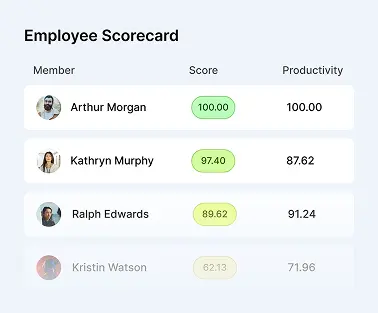
Modern productivity tools provide valuable data that helps managers identify trends, optimize workloads, and support employees with objective insights. Instead of relying on assumptions, organizations can make evidence-based decisions that improve efficiency over time.
Boost your business productivity
Track performance and streamline teamwork
Conclusion: Keep Track of Project Time
Keeping track of project time is one of the most effective ways to improve productivity, strengthen project management, and deliver better business results. Accurate time tracking helps organizations optimize workflows, allocate resources efficiently, and identify opportunities for continuous improvement.
Combined with effective planning, clear communication, and the right productivity tools, project time tracking enables teams to work more efficiently while maintaining high standards of quality.
By understanding where time is spent and making informed decisions based on reliable data, businesses can complete projects on schedule, increase profitability, and build a stronger foundation for future growth.
The Monitask Team