Self-Management Skills: Definition, Examples, Strategies, and Development Guide

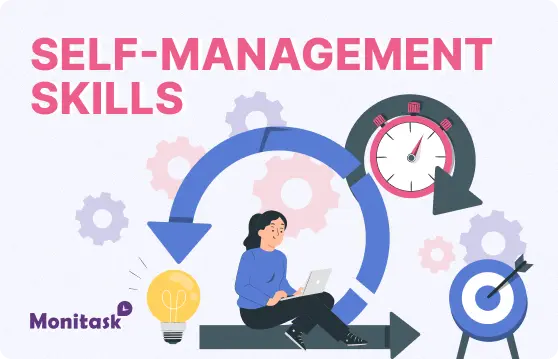
Success depends on more than technical knowledge or formal qualifications. The ability to manage yourself effectively plays a major role in both professional and personal life. This ability is known as self-management.
Self-management skills affect how well you use your time, stay focused, handle pressure, and follow through on responsibilities. In many work environments, especially flexible and remote roles, employers value individuals who can work independently, prioritize tasks, and remain accountable without constant supervision.
Whether you are a student, professional, entrepreneur, or manager, strong self-management skills support productivity, reduce stress, and help achieve long-term goals.
What Is Self-Management?
Self-management refers to the ability to regulate your thoughts, emotions, behavior, and actions in a way that supports personal and professional goals. It involves taking responsibility for how you plan your time, respond to challenges, and maintain discipline in everyday activities.
In simple terms, self-management means staying in control of yourself rather than reacting impulsively to situations.
A clear self-management definition is:
Is the process of planning, organizing, directing, and controlling one’s own activities, emotions, and behavior to achieve desired outcomes.
Self-management is not a single action but a set of practical abilities known as self-management skills. A self-management skill is a specific ability that helps an individual remain disciplined, organized, emotionally balanced, and focused on goals.
These skills include managing time effectively, regulating emotions, staying motivated, handling stress, and taking responsibility for results. Together, they support independent performance and consistent outcomes across education, work, leadership, and personal development.
In professional environments, strong self-management skills are closely linked to reliability and long-term growth. Employees who manage themselves well require less supervision, adapt more easily to change, and are often trusted with greater responsibility because they consistently manage their workload and behavior effectively.
Types of Self-Management
Self-management is not a single skill. It consists of several interconnected areas that together support personal control and performance.
Time and task management involves planning, prioritizing, and organizing responsibilities to ensure important work is completed efficiently. This includes setting realistic deadlines, breaking tasks into manageable steps, and focusing on what matters most. Strong time management helps prevent procrastination and reduces unnecessary stress.
Emotional self-control focuses on recognizing and managing emotions in a constructive way. This type of self-management helps individuals respond calmly during conflict, handle pressure, and communicate clearly. Emotional self-control supports better decision-making and stronger workplace relationships.
Behavioral self-regulation is the ability to align actions with goals and values. It includes maintaining discipline, forming productive habits, and avoiding behaviors that interfere with progress. This skill supports consistency, even when motivation is low.
Stress and energy management involves maintaining physical and mental balance. It includes managing workload, setting boundaries, and allowing time for rest and recovery. People who manage stress effectively are more resilient and better able to sustain performance over time.
Goal setting and self-motivation focus on defining clear objectives and maintaining the internal drive to achieve them. This type of self-management helps individuals stay focused, measure progress, and remain committed despite obstacles.
Together, these types create a practical framework for effective self-management in everyday life.
10 Essential Self-Management Skills
The following self-management skills are critical for personal effectiveness and professional success:
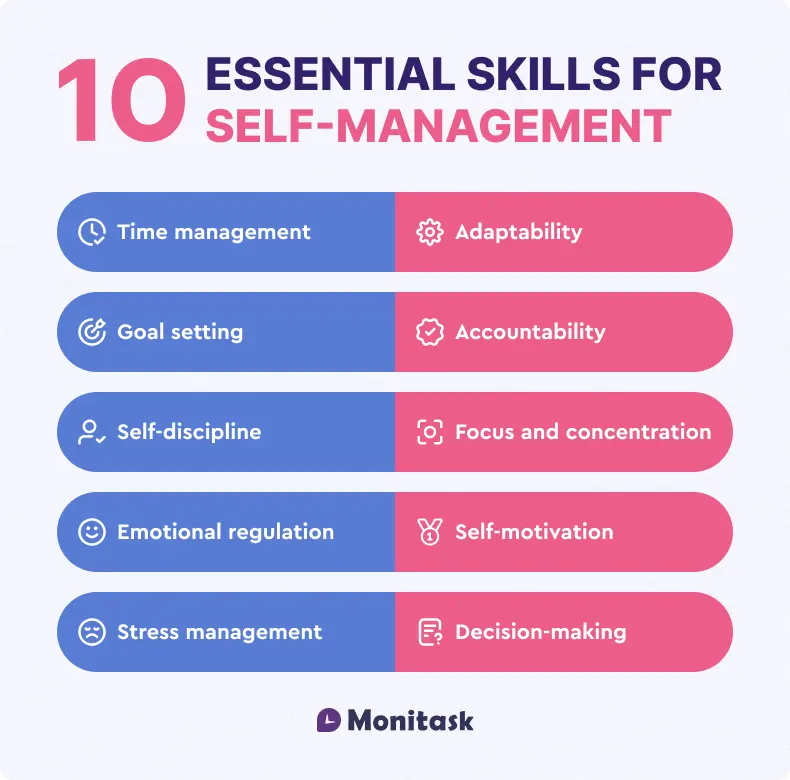
If asked to list any five self-management skills, any combination from this list provides a solid answer.
Examples of Self-Management in Real Life
Many people ask what an example of self-management looks like in everyday situations. The answer depends on context, but the core behaviors are consistent.
Self-Management Example at Work
A professional who plans daily tasks without reminders, meets deadlines consistently, and remains calm during high-pressure meetings demonstrates strong self-management. These behaviors show independence, emotional control, and accountability.
Self-Management Example for Students
A student who studies regularly instead of cramming, manages screen time, and completes assignments without constant supervision is practicing effective self-management. These habits support academic performance and personal responsibility.
Self-Management Example in Personal Life
Maintaining a healthy routine, managing emotional reactions, and setting personal boundaries are all examples of self-management in daily life. These actions help individuals maintain balance and long-term well-being.
Examples of Self-Management Skills in the Workplace
Employers place a high value on self-management skills because they reflect how an employee performs in real working conditions. The following examples highlight behaviors that signal professionalism and reliability.
Prioritizing tasks without supervision shows the ability to assess importance and deadlines independently. Employees who can organize their work without constant direction reduce the need for micromanagement and help teams operate more efficiently.
Taking responsibility for mistakes demonstrates accountability and emotional maturity. Self-managed employees acknowledge errors, learn from them, and take corrective action instead of shifting blame. This builds trust and supports continuous improvement.
Managing workload efficiently involves balancing multiple responsibilities while maintaining quality. Employees with strong self-management skills plan realistically, adjust priorities when needed, and avoid burnout through effective pacing.
Staying productive while working remotely requires discipline and focus. Without a structured office environment, remote employees must manage distractions and remain accountable for results. Those who succeed in remote roles consistently demonstrate strong self-management.
Self-Management Skills in Action: How Employers Evaluate Independence and Productivity
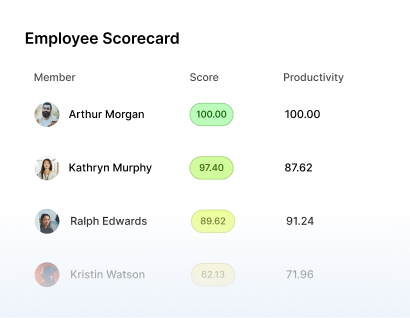
In modern workplaces, self-management has become measurable. Employers increasingly evaluate independence, accountability, and productivity based on outcomes rather than constant supervision.
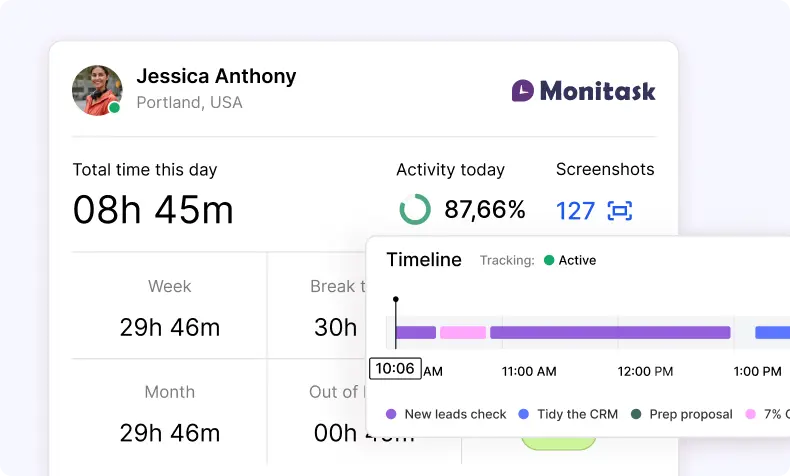
Tools such as time tracking software can support self-management when used ethically and transparently. Monitask, for example, helps employees understand how their time is spent, identify distractions, and improve focus. Rather than replacing self-management, it reinforces it by providing clear data that supports better decisions.
When employees can see where their time goes, they can adjust priorities, eliminate low-value activities, and develop stronger work habits. For managers, tools like Monitask provide visibility without micromanagement, enabling trust-based performance management.
In remote and hybrid environments, this combination of personal discipline and supportive tools creates sustainable productivity and clearer accountability.
Boost your business productivity
Track performance and streamline teamwork
How to Develop Strong Self-Management Skills
Self-management skills can be learned and improved with consistent practice:
✅ Start by increasing self-awareness: Track how you use your time, how you respond to stress, and what habits support or hinder your goals. Honest reflection is the foundation of improvement.
✅ Set clear and realistic goals: Break larger objectives into smaller tasks with defined deadlines. This makes progress measurable and reduces overwhelm.
✅ Create simple routines: Consistent daily habits reduce the need for constant decision-making and help maintain focus.
✅ Practice emotional regulation: Pause before reacting, especially in stressful situations. This improves communication and decision quality.
✅ Use tools intentionally: Productivity tools should support awareness and structure, not create pressure. When used correctly, they reinforce accountability and independence.
✅ Review progress regularly: Adjust strategies based on what works and what does not. Self-management improves through iteration, not perfection.
Conclusion: Self-Management as a Core Career Skill
Self-management is no longer just a personal trait. It is a critical professional capability in today’s data-driven and flexible work environment. Employees who manage themselves well are more productive, adaptable, and reliable, regardless of where they work.
Strong self-management skills allow individuals to take ownership of their time, behavior, and results. Supported by ethical productivity tools like Monitask, these skills become visible, measurable, and sustainable.
As work continues to evolve, self-management will remain one of the strongest indicators of long-term success, growth, and professional trust.
The Monitask Team
FAQ: Self-Management Skills
Why are self-management skills important in the workplace?
They improve productivity, accountability, and adaptability. Employees with strong self-management are better at meeting deadlines, handling pressure, and working independently.
What is an example of self-management at work?
Prioritizing tasks independently, staying focused during work hours, and taking responsibility for mistakes are common examples of self-management at work.
Can self-management skills be improved?
Yes. With self-awareness, practice, and structured planning, self-management skills can be developed over time and strengthened through consistent use.