6 Challenges Faced by Organizations Transitioning to Remote Work


The transition to remote work has fundamentally changed the way companies operate, communicate, and support their employees. While the shift offers major benefits, flexibility, access to global talent, reduced overhead, it also brings challenges that organizations must address strategically.
Without strong systems for communication, collaboration, and performance, remote teams can quickly become disconnected or inefficient.
Below are the major challenges companies experience when shifting to remote work, along with two additional issues that are often overlooked but highly impactful.
1. Communication Breakdowns and Misalignment
Remote work removes the spontaneous, quick conversations that naturally happen in an office. Without intentional communication rules and expectations, messages get lost, misunderstandings grow, and teams struggle to stay aligned.
The core issue is that many companies assume communication will remain the same when the environment changes completely. Remote teams need clear guidelines on communication channels, expected response times, and meeting structures. Without this clarity, delays, duplicated work, and frustration become common.

2. Declining Team Collaboration and Company Culture
When people stop seeing each other daily, team relationships naturally weaken. Remote employees often interact only for task-related activities, losing the informal social bonding that fuels trust and collaboration.
Over time, this can erode culture, reduce engagement, and create feelings of isolation. To counter this, leaders must build intentional culture-building rituals and create opportunities for team connection. Culture no longer forms organically—it must be actively nurtured.
3. Difficulty Monitoring Performance and Maintaining Accountability
In remote environments, managers often fear that productivity will drop because they can no longer “see” employees working. This sometimes leads to micromanagement or inconsistent expectations.
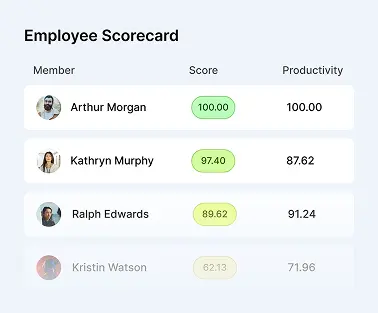
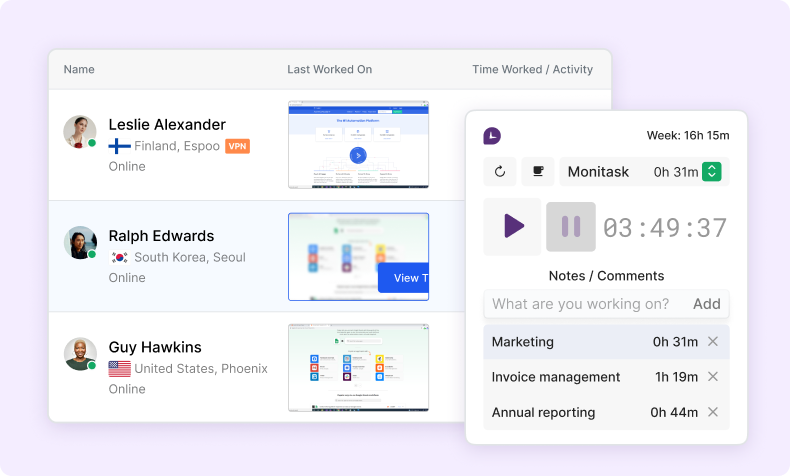
The real solution is shifting to outcome-based leadership. Managers need clear goals, transparent workflow tools, and systems that help employees stay accountable without constant oversight. Tools like time-tracking platforms, productivity dashboards, or employee monitoring software can help—when used openly and ethically.
4. Technology Gaps and Cybersecurity Risks
Remote teams rely heavily on digital tools. When companies transition quickly, they often encounter issues such as poor hardware, outdated software, slow VPNs, and weak internet connections. These technical problems directly impact productivity and increase frustration.
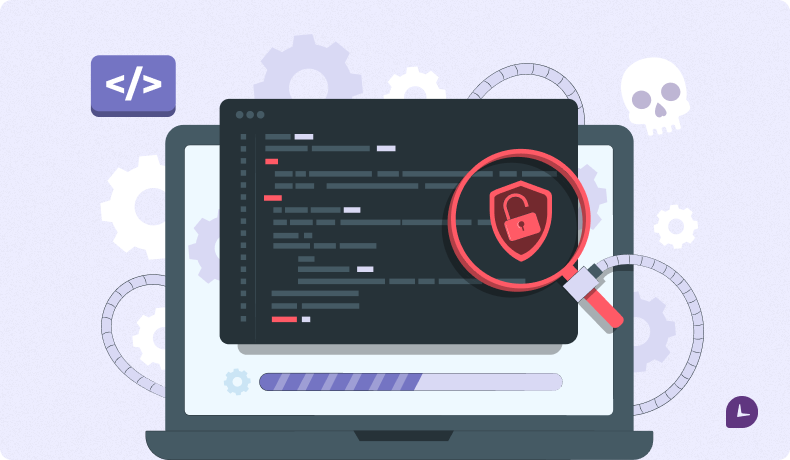
Cybersecurity becomes an even bigger challenge. Home networks are often far less secure than office environments, making businesses more vulnerable to data breaches. Secure tools, MFA, encryption, and employee training become essential components of remote operations.
5. Decreased Work–Life Boundaries and Burnout Risks
One of the most overlooked challenges in remote transitions is the disappearance of clear boundaries between work and personal life. Without commuting, physical separation, or clear end-of-day routines, many employees begin to work longer hours without realizing it.
This leads to fatigue, reduced engagement, and higher burnout rates. Companies must teach employees to set boundaries, encourage breaks, and promote realistic workloads. Healthy balance is not automatic in remote work—it requires support from leadership.
6. Uneven Access to Resources and Inequality Across Teams
Remote work can unintentionally widen the gap between employees who have strong home setups and those who do not. Differences in internet speed, workspace comfort, equipment quality, and living conditions can create unfair performance advantages.
To maintain equity, organizations must ensure that employees have equal access to essential hardware, collaboration tools, training, and support. Without addressing these disparities, remote teams may suffer from uneven productivity and employee frustration.
Boost your business’s productivity
Track performance and streamline teamwork
Conclusion: Transitioning to Remote Work
The transition to remote work is not simply a logistical shift, it’s a cultural, technological, and managerial transformation.
Organizations that acknowledge these challenges early are better equipped to build systems that support productivity, accountability, and employee well-being.
With clear communication structures, strong digital infrastructure, and a focus on outcomes rather than activity, companies can turn these challenges into opportunities for long-term growth.
The Monitask Team
FAQ: Challenges of Remote Work
How can managers maintain accountability without micromanaging?
By shifting to outcome-based goals, setting clear expectations, and using tools that show progress transparently. Accountability comes from clarity, not constant supervision.
What tools help with the remote transition?
Project management platforms, time-tracking tools, communication apps, and secure cloud systems all support remote productivity. When used responsibly, employee monitoring software can provide clarity and fairness.
How can companies prevent remote burnout?
By promoting healthy working hours, encouraging breaks, avoiding unnecessary meetings, and training employees on maintaining boundaries.