Asking to Work From Home: How to Make the Conversation Professional and Successful

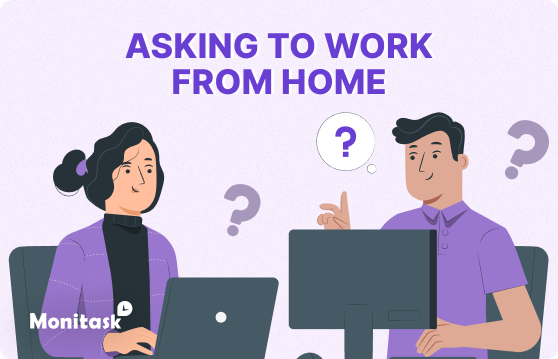
As flexible work becomes more common, many professionals find themselves thinking about asking to work from home.
While remote work is no longer a radical idea, the way you raise the topic still matters. A thoughtful request can strengthen trust and demonstrate maturity, while a poorly framed one can create doubt about your commitment or reliability.
This article explains how to approach the conversation in a way that feels professional, well-prepared, and aligned with your employer’s goals.
Is Asking to Work From Home Appropriate for Your Role?
Before initiating the conversation, it’s important to evaluate whether remote work realistically fits your position. Some roles naturally lend themselves to independent, location-flexible work, while others depend on physical presence or constant in-person interaction. The key factor is not your job title but how your results are measured.
If your performance is judged by outcomes rather than by time spent at a desk, asking to work from home is generally reasonable. Company culture also plays a role. Organizations that already allow flexible hours or hybrid schedules are usually more open to these conversations, even if remote work is not yet formalized.
Clarifying Your Motivation Before You Ask
One of the most common mistakes people make when asking to work from home is focusing only on personal comfort. Employers rarely respond well to requests framed around convenience alone. Instead, your motivation should clearly connect remote work to better performance and long-term sustainability.
When you understand your own reasons clearly, it becomes easier to communicate them confidently. Productivity, focus, and energy are all valid themes, as long as you can explain how working from home helps you deliver stronger results rather than simply making work easier.
Preparing a Strong Case
Preparation turns a request into a proposal. When you are asking to work from home, your goal is to show that you have already thought through the practical implications and that you take responsibility for your performance seriously.
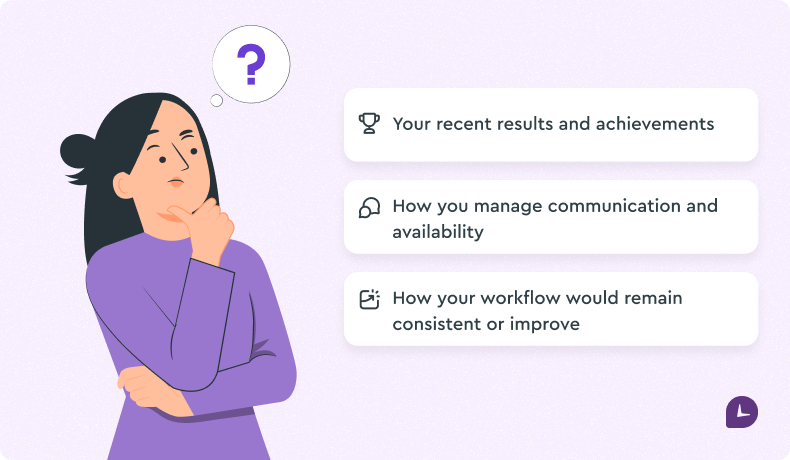
You should be ready to speak about:
✅ Your recent results and achievements
✅ How you manage communication and availability
✅ How your workflow would remain consistent or improve
This preparation reassures your manager that remote work will not reduce accountability or disrupt the team.
Choosing the Right Moment and Setting
Timing can strongly influence how your request is received. Bringing up remote work during a stressful period or in a rushed conversation increases the likelihood of resistance. Instead, aim for a moment when your contributions are visible and appreciated.
A one-on-one meeting is usually the most appropriate setting for asking to work from home. It allows for an open discussion, questions, and clarification, which is far more effective than sending a sudden message or making a casual remark.
How to Ask to Work From Home the Right Way
When the conversation begins, clarity and tone matter more than perfect wording. Start by expressing commitment to your role and alignment with team goals. Then clearly state your request, including how often you want to work remotely, without overexplaining or apologizing.
A well-structured request usually includes:
✅ A clear statement of what you are asking for
✅ An explanation focused on productivity and results
✅ Reassurance around communication and availability
Many employers respond positively when remote work is presented as a practical improvement rather than a demand.
Building Trust After Your Request Is Approved
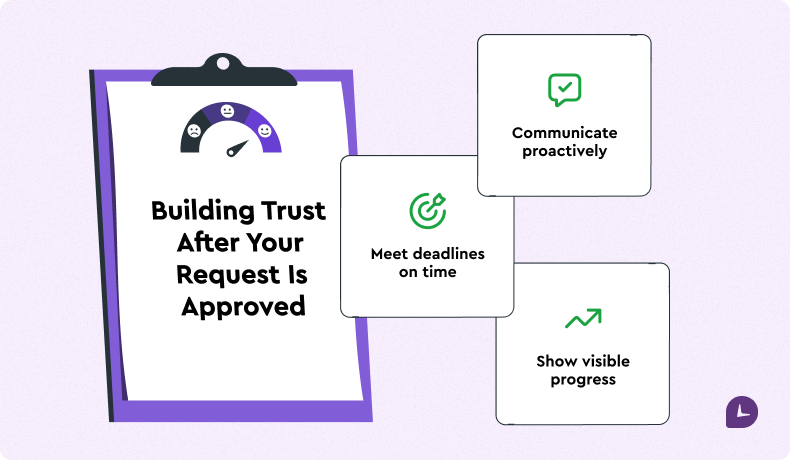
If your request is accepted, the conversation does not end there. The period immediately after approval is critical for reinforcing trust and proving that the decision was the right one. Consistency, responsiveness, and transparency matter even more when you are no longer physically present in the office.
Meeting deadlines, communicating proactively, and showing visible progress help normalize remote work and reduce any lingering concerns. For many employees, long-term success with remote work begins not with asking to work from home, but with how they perform once the flexibility is granted.
Handling Concerns and Objections
Even when remote work is possible, managers may hesitate. Common concerns usually relate to productivity, communication, or fairness within the team. Responding calmly and thoughtfully is essential.
Rather than pushing back emotionally, treat objections as part of a professional discussion. Offer solutions, suggest clear expectations, or propose a limited trial period. This approach shows flexibility and reinforces trust.
If Your Request Is Declined
Not every request will be approved immediately. A rejection does not necessarily reflect a lack of trust or appreciation. In many cases, it simply means that your manager needs more reassurance or better timing.
If your request is declined, ask for feedback and clarify what conditions might make remote work possible in the future. This keeps the conversation open and positions you as someone who is focused on growth rather than entitlement.
Common Mistakes to Avoid When Asking to Work From Home
While preparation helps, avoiding key missteps is just as important. Problems often arise when employees treat remote work as an expectation instead of a discussion, or when they underestimate the employer’s perspective.
The most common mistakes include:
❌ Asking without evidence of strong performance
❌ Focusing only on personal convenience
❌ Resisting compromise or feedback
Being aware of these pitfalls increases your chances of a productive outcome.
Boost your business’s productivity
Track performance and streamline teamwork
Conclusion: Remote Work Arrangements
Asking to work from home is no longer unusual, but it still requires professionalism, preparation, and emotional intelligence. When you approach the conversation with clarity and a focus on results, you show that flexibility and responsibility can coexist.
Remote work arrangements are built on trust. By demonstrating reliability, openness, and a willingness to adapt, asking to work from home becomes a strategic conversation rather than a risky request.
– The Monitask Team
FAQ: About Asking to Work From Home
Is it better to ask to work from home in person or by email?
A direct conversation is usually more effective, especially for an initial request. Email can be useful afterward to summarize what was discussed or confirm next steps.
Can I ask to work from home full-time right away?
You can, but many employers respond better to a phased approach. Starting with a hybrid schedule or a trial period often leads to stronger long-term approval.
What if my manager worries about productivity?
Focus on outcomes, not hours. Explain how you measure your own performance and how remote work supports concentration and efficiency rather than reducing accountability.
How long should a work-from-home trial period be?
Most trial periods range from one to three months. This gives both you and your employer enough time to evaluate whether the arrangement is effective.